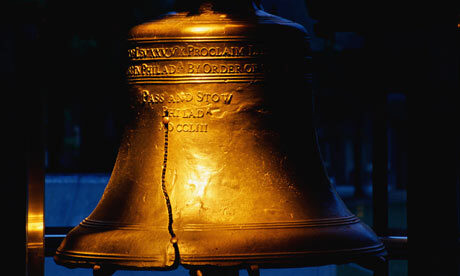
There is a parallel question about language. How is it that a word relates to or refers to a particular object? The word is itself an object, a vocalized sound or a mark on a page. What connects the word “bell” to the bell? Sometimes it is said that one “points” to the other, but that is a figure of speech. As the twentieth-century philosopher Ludwig Wittgenstein observes, the same question arises with pointing. When you stretch out your finger, why does it direct attention to an object across the room, rather than to itself?
Follow along, and open your mind. Mind is like a fluid in which human beings and the natural world exist. By participating in the fluid, minds can understand. Think of the problem of intentionality. How is reference possible? How can essences be grasped? How can objects be seen? There must be an interaction, and it is not only causal-physical. How could it be? Mind, understanding, is not just physical. It is a conscious, fluid medium.
“Is it somewhat physical?”
Those categories are not helpful here, but it exerts physical force, has physical consequences.